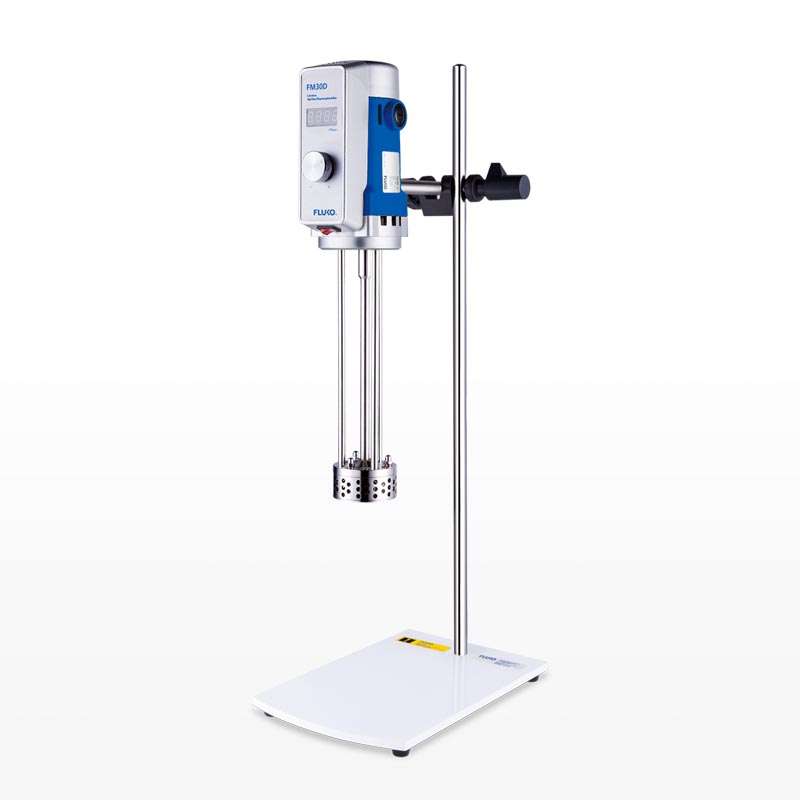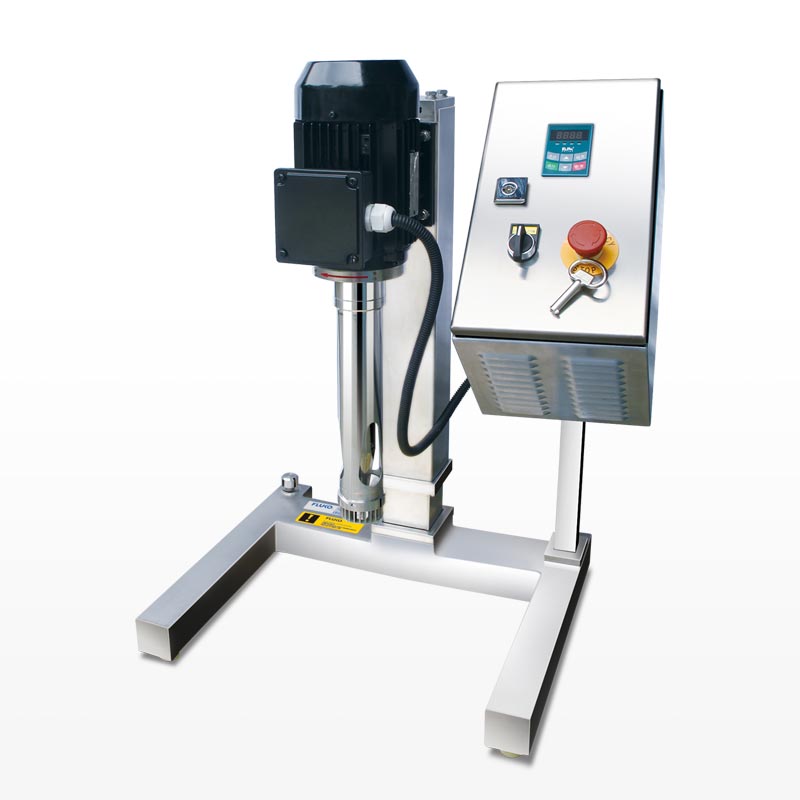

The FM30D is a small-scale, high-performance disperser with stepless torque regulation, suitable for dispersing, emulsifying, homogenizing, and mixing medium-viscosity materials and liquids containing solids.

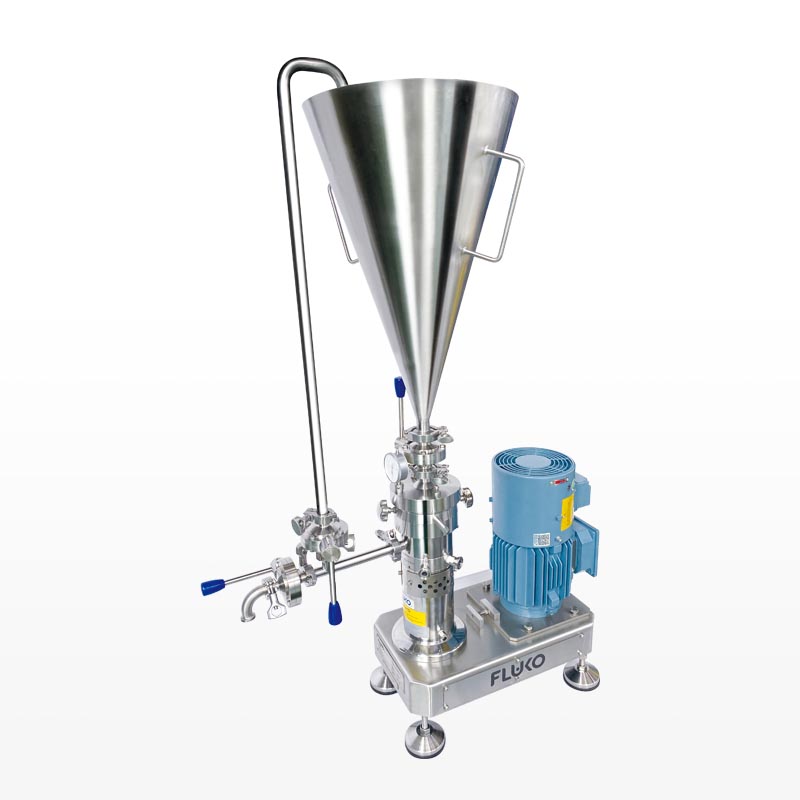
The FSH-CM40 is a pilot-scale colloid mill with adjustable stator-rotor gap, and it excels in wet grinding and viscous emulsion treatment.

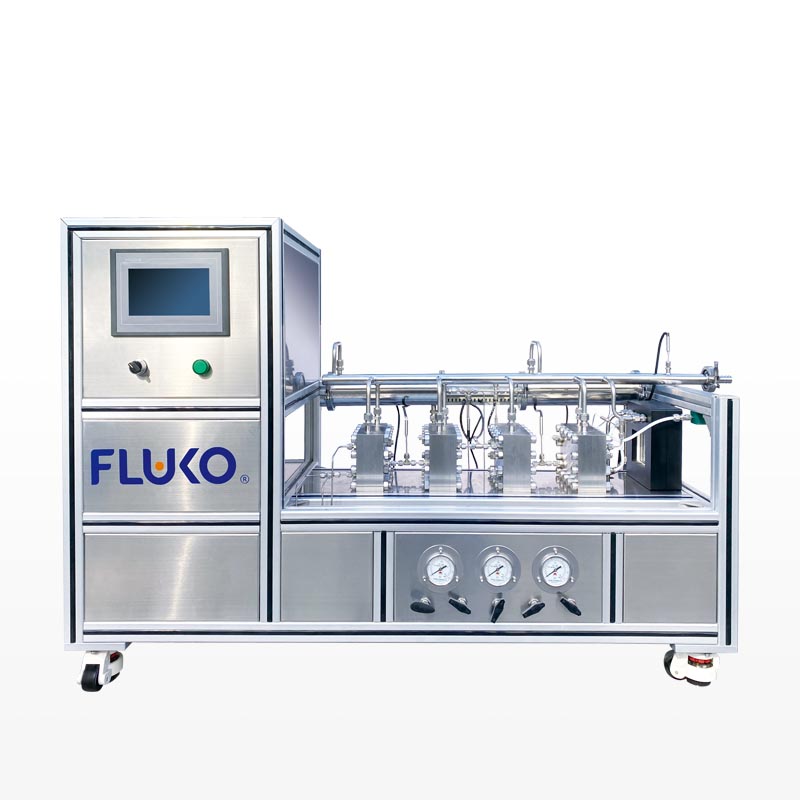
The FT series is a self-designed microchannel reactor that can precisely control reaction parameters, enabling continuous and efficient material processing, and the materials can be customized.

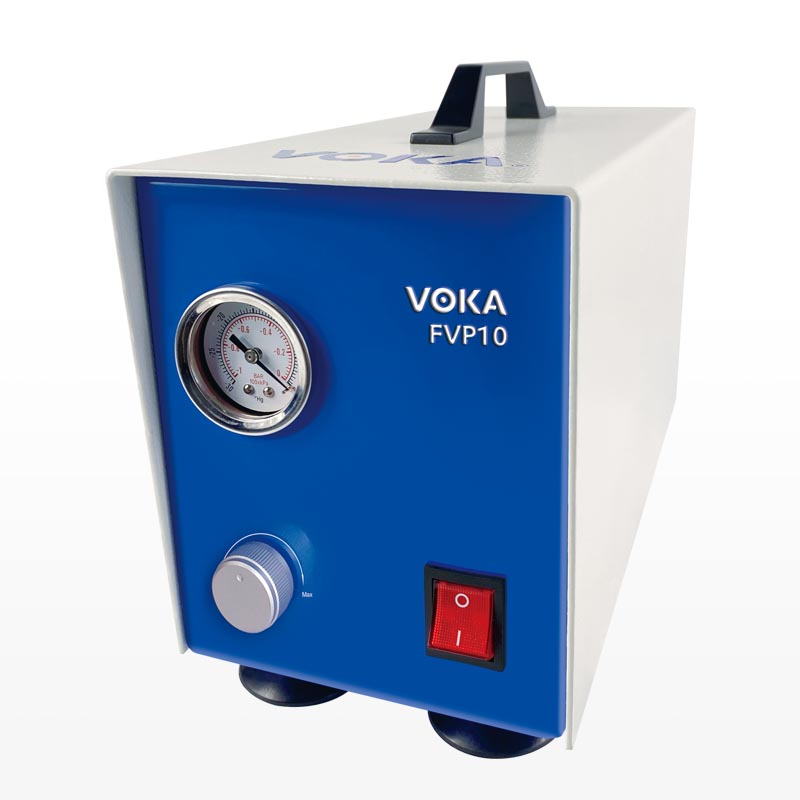
The FVP10 is a laboratory vacuum pump that is compact yet powerful, with a pumping speed of up to 30L/min. It is oil-free, quiet, and pollution-free.

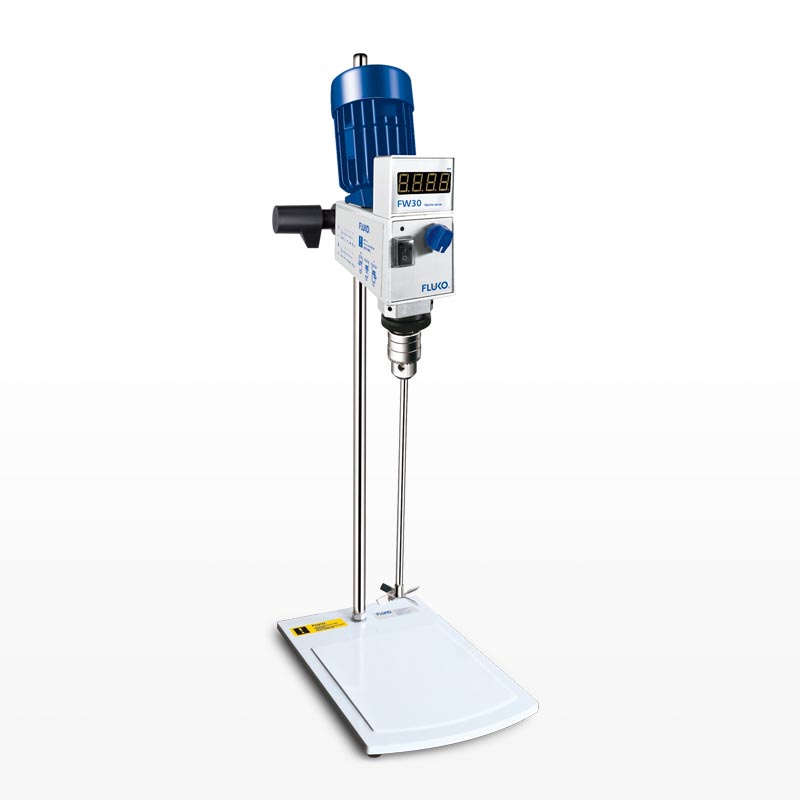
The FW30 is an economical mechanical mixer with high cost-effectiveness. It is suitable for dispersing and mixing various viscosities, supports speed adjustment and torque compensation, and can meet basic mixing needs.

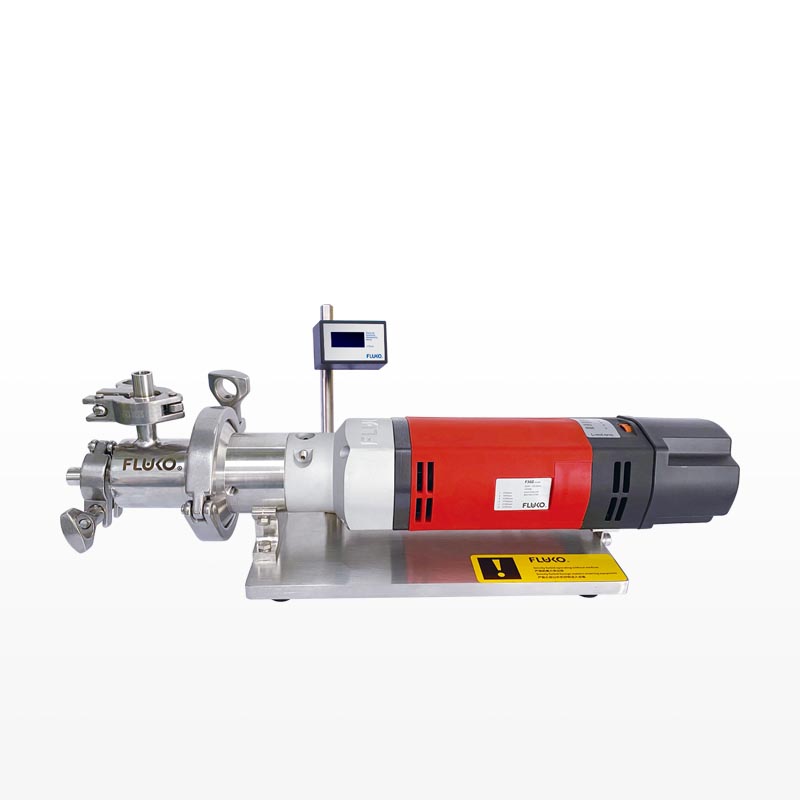
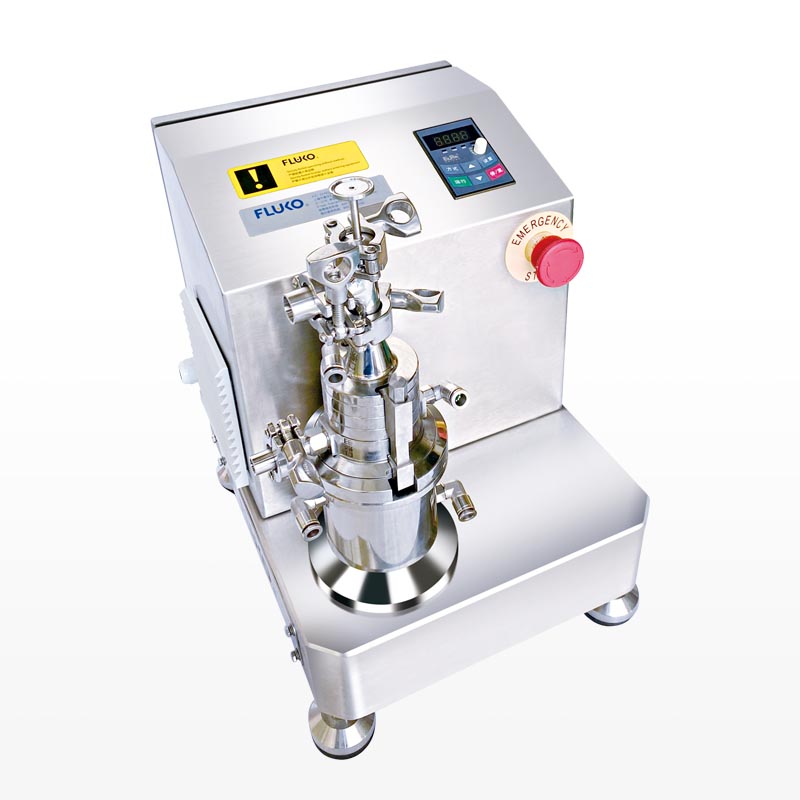
The FZ (D) series is a pilot-scale in-line disperser with ultra-high shear rate and no dead zones in dispersion. It can be used in the laboratory to simulate in-line circulation or continuous processing of materials.

The MS series is a pilot-scale dispersion and mixing equipment. It adopts a bearingless design to achieve quiet operation and zero pollution. It fully complies with GMP standards and is suitable for scenarios with high hygiene requirements.

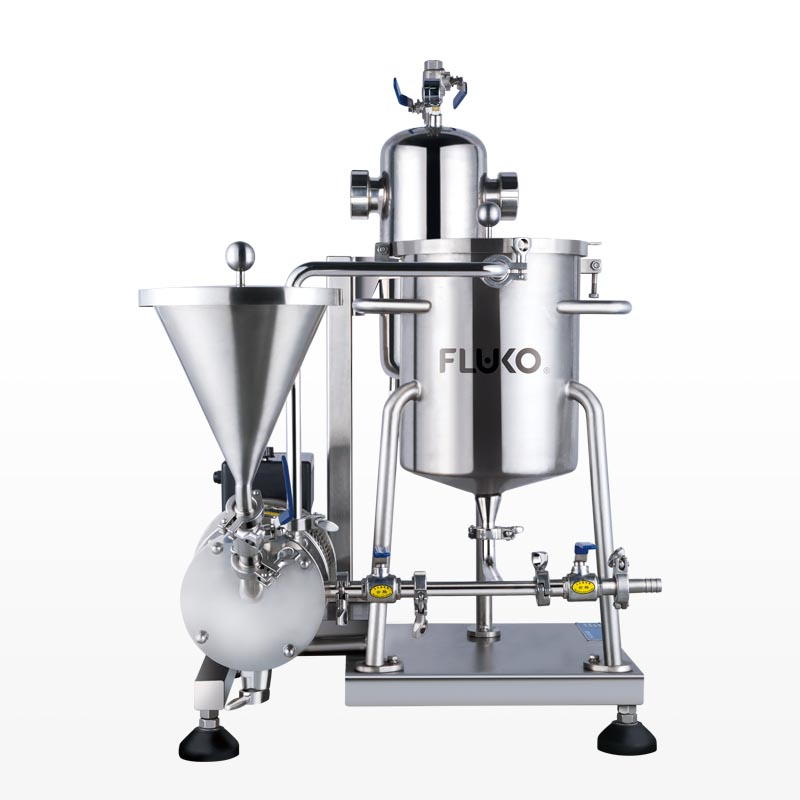
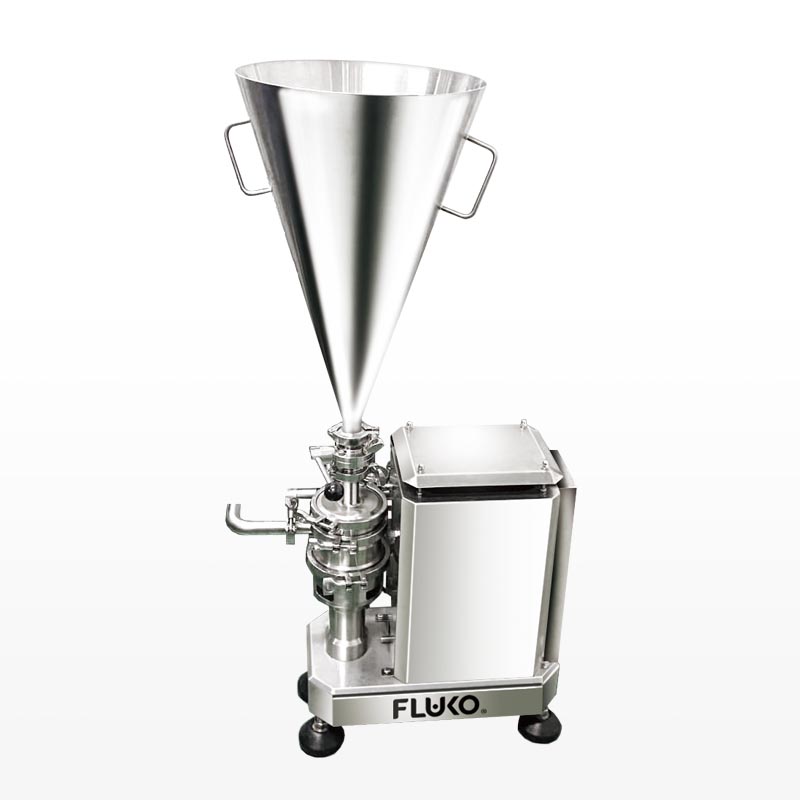
The PD10-XT is a laboratory solid-liquid dispersion and mixing device. It features efficient vacuum powder guiding without agglomeration and supports cyclic dispersion and shearing.

The PDH10-ST is a laboratory solid-liquid dispersion and mixing device, suitable for insoluble powders, with low air ingress, no fisheye phenomenon, and supports cyclic dispersion and shearing.

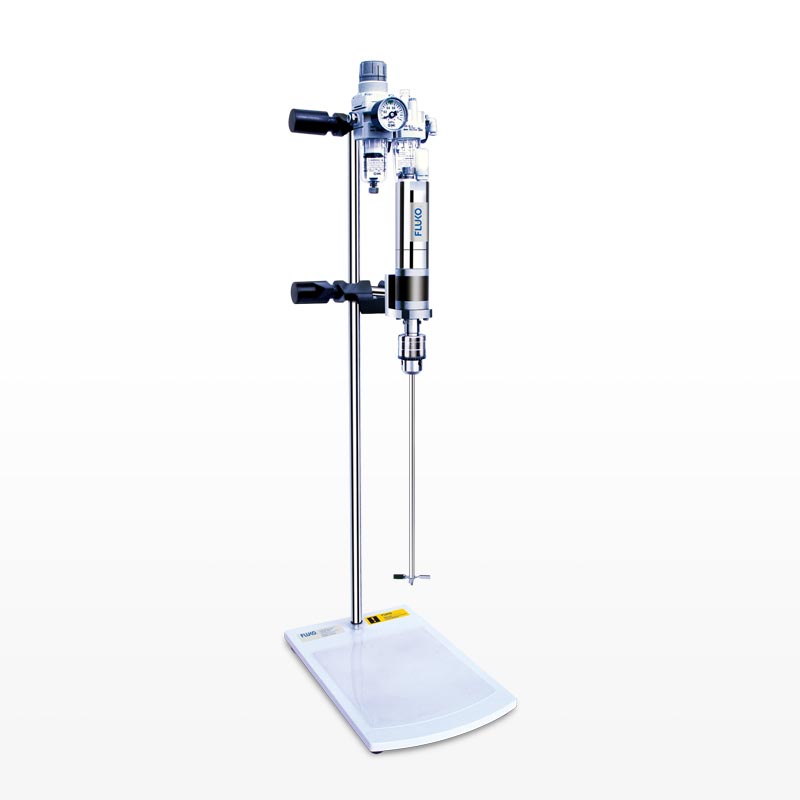
The R10 is a high-quality pneumatic mixer with high-precision overload protection, and can be equipped with a variety of mixing blades. It offers reliable performance.

SMARTLAB is a desktop multi-functional emulsification and dispersion device with a linear velocity of up to approximately 40 m/s and a minimum throughput of mL, offering both precision and flexibility in experiments.